Mapping Processor Networks: How Data Synchronization Patterns Emerge Between Mobile Billing Tools and Nonprofit Revenue Streams Across Platform Ecosystems
Written by Devon Carter · Sep 21, 2026
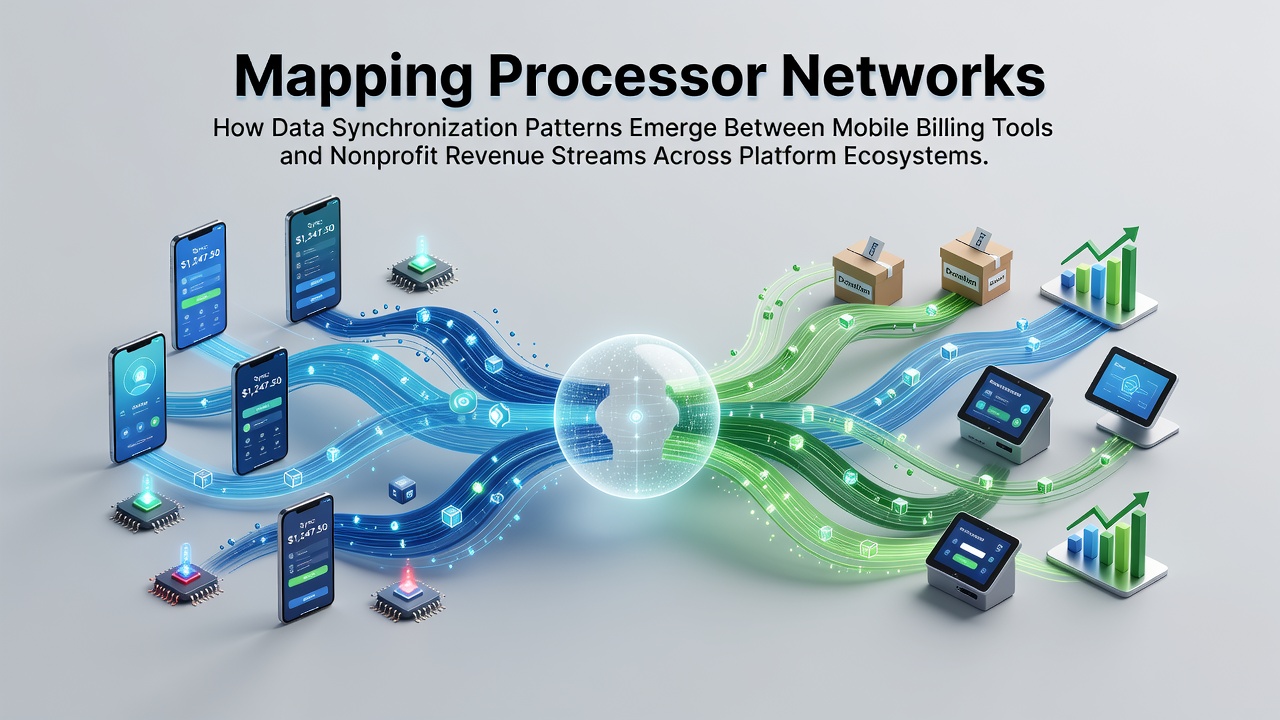
Mapping Processor Networks: How Data Synchronization Patterns Emerge Between Mobile Billing Tools and Nonprofit Revenue Streams Across Platform Ecosystems
Processor networks handle the flow of transaction data between mobile billing applications and the revenue systems nonprofits rely on for tracking donations that arrive at irregular intervals, and these networks rely on standardized protocols to maintain consistency across ecosystems that span different platforms and regulatory environments.
Core Components of Processor Networks in Nonprofit Contexts
Mobile billing tools connect to payment processors through APIs that transmit donation details in real time, while nonprofit revenue streams often include one-time gifts, recurring pledges, and event-based contributions that arrive through varied channels such as text-to-give campaigns or platform-integrated donation forms, and synchronization begins when these inputs reach a central ledger that maps each transaction to its originating source.
Researchers have noted that data fields including donor identifiers, amounts, timestamps, and payment methods must align across systems, and this alignment occurs through batch updates or continuous streaming depending on the volume handled by the processor, whereas smaller nonprofits may process batches overnight while larger organizations maintain live feeds to support immediate reporting needs.
Emergence of Synchronization Patterns
Patterns surface when mobile billing tools log a donation and the processor network routes that record to the nonprofit's accounting interface, and the process repeats across multiple platforms where a single donor might contribute via an app, a web portal, and a third-party aggregator on the same day. Observers note that timestamp reconciliation becomes critical because mobile devices operate in different time zones, and processors apply UTC normalization to prevent duplicate entries or missed updates in the revenue stream.
According to data compiled by the Federal Reserve, nonprofit organizations processed over 18 percent more mobile-initiated transactions in the first half of 2026 compared with the prior year, and this growth coincided with increased adoption of synchronization layers that flag discrepancies between billing logs and settlement reports within seconds of each transfer.
Platform Ecosystem Interactions
Across ecosystems that combine mobile billing with cloud-based donor management software, processor networks insert middleware that translates data formats from one system to another, and this translation layer accounts for differences in how platforms record currency, tax status, and receipt requirements. Studies from the European Central Bank have tracked similar trends in cross-border donation flows, where synchronization must also satisfy varying data-protection rules that affect how donor information moves between billing tools and revenue databases.
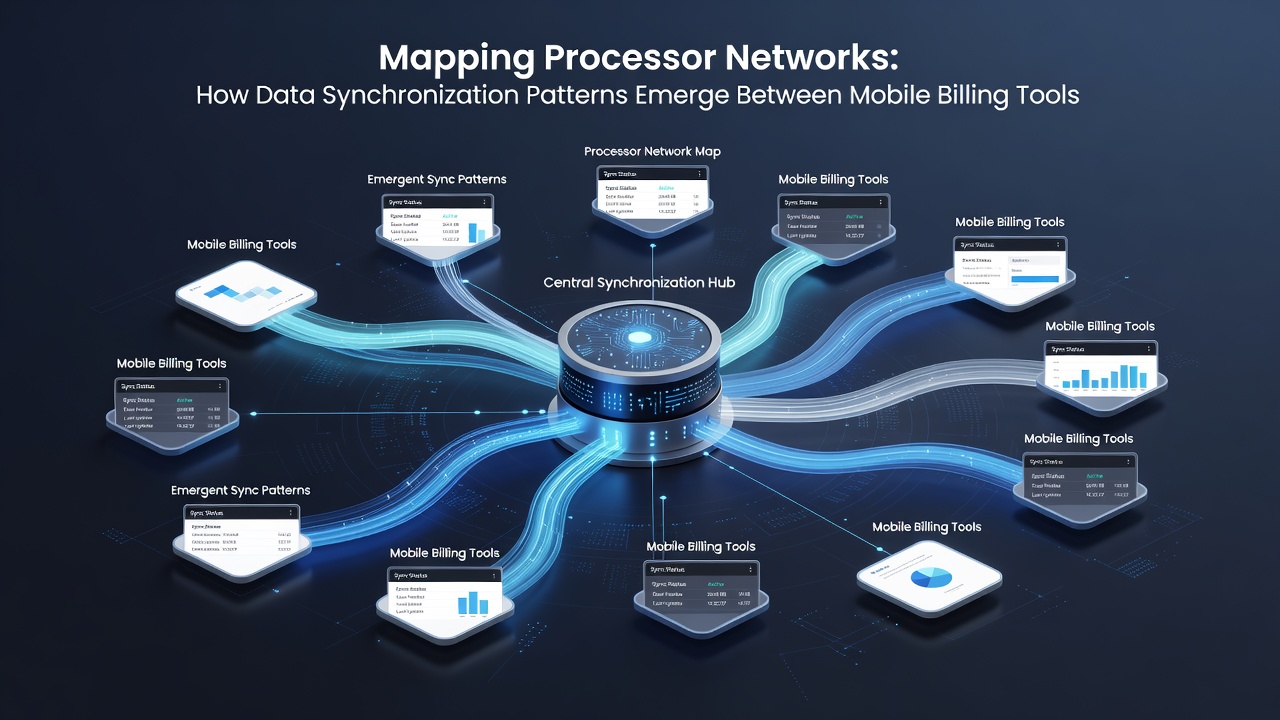
One documented case involved a network that linked a popular mobile giving app with a cloud platform used by multiple charities, and synchronization patterns emerged around peak periods such as year-end giving drives when transaction spikes required processors to prioritize queue management to avoid latency in revenue reporting. Those patterns include fallback mechanisms that store pending records locally on the mobile device until connectivity restores, after which the processor network reconciles the backlog against the nonprofit ledger without creating duplicate entries.
Technical Mechanisms Driving Pattern Formation
Mapping these networks reveals that synchronization relies on event-driven triggers rather than fixed schedules, and each trigger carries metadata that identifies the billing tool, the donor platform, and the intended revenue category. When a mobile billing session ends, the processor network issues a confirmation token that the nonprofit system uses to verify receipt, and this token exchange creates an auditable trail that later supports compliance reviews.
Data from September 2026 showed that organizations using unified processor dashboards experienced fewer reconciliation errors during multi-platform campaigns, and the dashboards themselves aggregate logs from different billing tools into a single view that highlights timing mismatches or currency conversion adjustments. The patterns become visible in heat maps that display transaction density by hour and platform, allowing network operators to adjust capacity before synchronization lags appear in the revenue stream.
Regulatory and Compliance Influences
Regulatory frameworks shape how processor networks manage synchronization because donation records must meet reporting standards set by tax authorities in different jurisdictions, and mobile billing tools therefore embed fields that capture required disclosures at the point of transaction. When a platform ecosystem spans multiple countries, the processor network routes data through regional nodes that apply local formatting before forwarding records to the central nonprofit system.
Industry reports indicate that networks incorporating automated compliance checks reduce the time nonprofits spend reconciling mobile donations with their primary ledgers, and these checks run in parallel with the main synchronization process without adding measurable delay to settlement cycles.
Conclusion
Processor networks continue to evolve mapping techniques that capture synchronization patterns between mobile billing tools and nonprofit revenue streams, and these patterns reflect the interplay of API design, platform diversity, and regulatory requirements that define how donation data travels across ecosystems. Continued monitoring of transaction volumes and reconciliation accuracy provides the factual basis for understanding how these networks operate at scale.