How Acquirers Adjust Authorization Thresholds for Micro-Transaction Surges in Rental Apps
Written by Paul Schröder · Oct 5, 2026
How Acquirers Adjust Authorization Thresholds for Micro-Transaction Surges in Rental Apps
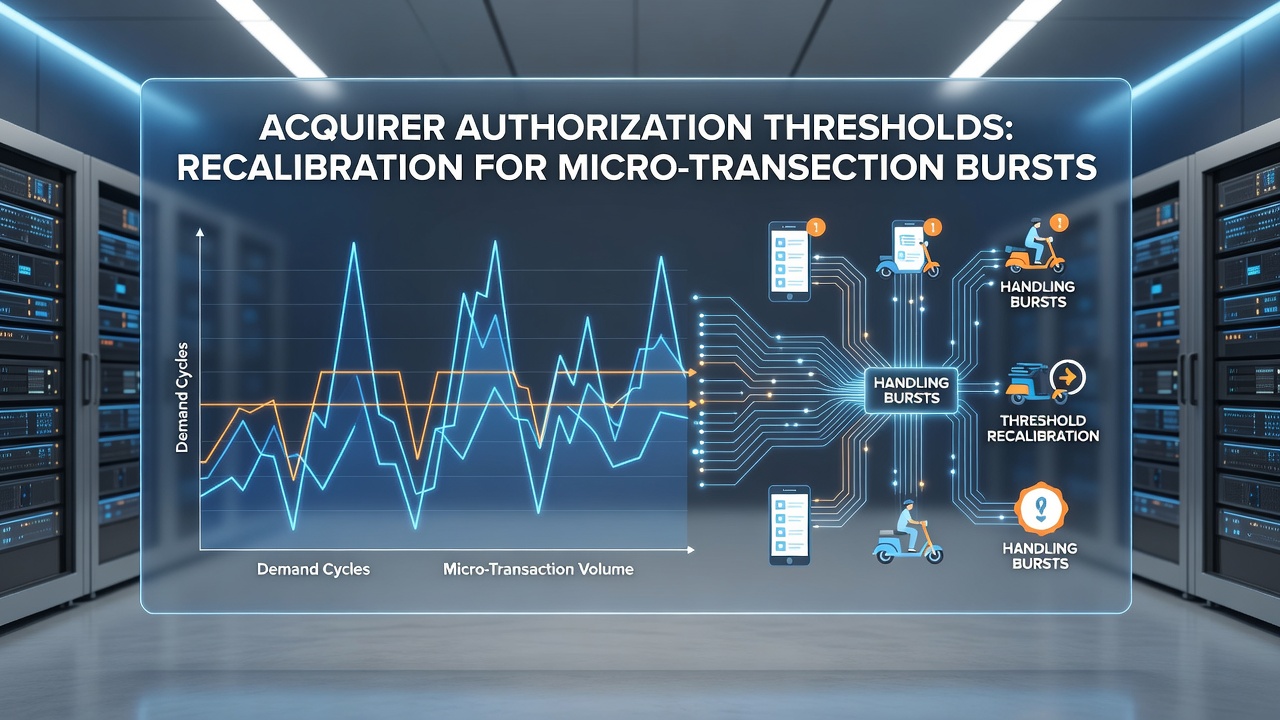
App-driven rental marketplaces generate frequent small payments for items such as hourly bike shares, daily tool rentals, and short-term equipment access, and acquirers recalibrate authorization thresholds when demand spikes create sudden bursts of these micro-transactions. These adjustments rely on real-time monitoring systems that track velocity patterns across merchant accounts while preserving fraud controls through dynamic risk scoring models.
Mechanics of Threshold Recalibration
Payment acquirers monitor incoming authorization requests against preset limits that cover amount, frequency, and merchant category, then they raise or lower those limits based on predictive signals derived from historical volume data and current market indicators. Algorithms process inputs including app download surges, location-based demand forecasts, and prior event-driven peaks, allowing temporary expansions of daily authorization caps without triggering blanket declines. Data from transaction networks shows that such recalibrations occur most often during weekends, holidays, and local events when rental activity can increase by multiples within hours.
Handling Demand Fluctuations in Rental Ecosystems
Rental platforms experience irregular cycles tied to weather, tourism seasons, and promotional campaigns, which means acquirers must distinguish legitimate volume growth from anomalous patterns that could indicate fraud or system errors. Observers note that machine learning models trained on months of rental transaction histories help identify normal burst signatures, enabling acquirers to shift thresholds upward while applying stricter velocity checks on new accounts or unusual device fingerprints. This approach maintains approval rates during peak periods yet reduces exposure when activity returns to baseline levels.
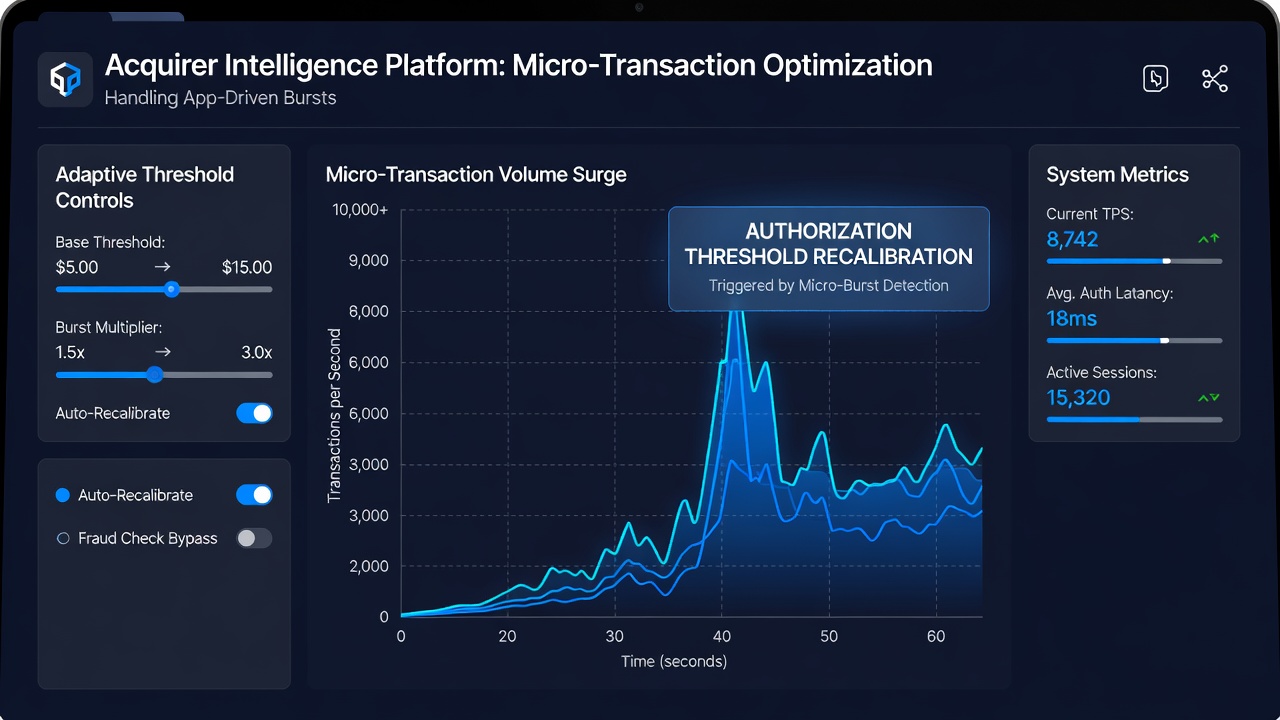
One documented pattern involves equipment rental apps that see transaction counts multiply during regional festivals or storm events, prompting acquirers to implement time-bound threshold increases that revert automatically after 48 or 72 hours. Researchers tracking payment flows report that these timed adjustments rely on API integrations between the acquirer and the rental platform, allowing continuous data exchange about expected rental durations and average ticket sizes.
Technical and Operational Adjustments
Acquirers deploy layered authorization engines that combine static rules with adaptive components, and the adaptive layer updates threshold parameters every few minutes based on aggregated signals from multiple rental merchants. These engines incorporate geofencing data to detect regional demand clusters, then they apply localized threshold modifications that prevent widespread declines while concentrating monitoring resources on high-velocity zones. Industry reports indicate that such geographic targeting improves approval rates for micro-transactions without proportional increases in chargeback ratios.
Integration with tokenization services further supports recalibration because tokenized credentials reduce the processing overhead associated with repeated small authorizations from the same user accounts. Systems can therefore accommodate higher frequencies of micro-payments while still enforcing cumulative spend limits that protect both merchants and cardholders during extended rental periods.
Regulatory Context and Data Sources
Payment networks operate under oversight from bodies such as the Federal Reserve in the United States and the European Central Bank in the EU, both of which publish guidelines on risk management for high-volume payment streams. These frameworks require acquirers to document threshold changes and demonstrate that recalibration logic does not compromise overall system integrity. Figures from payment industry analyses reveal that documented recalibrations during the third quarter of 2026 aligned with elevated rental activity in urban centers, particularly around October when back-to-school and autumn tourism patterns overlapped in multiple regions.
Acquirers also coordinate with rental platforms on settlement timing because micro-transaction bursts can create temporary imbalances in merchant accounts that affect reserve calculations and funding schedules. Automated reconciliation tools help match authorization spikes with actual captured amounts, reducing discrepancies that might otherwise trigger additional compliance reviews.
Observed Outcomes in Marketplace Operations
Studies of platform economies show that effective threshold management correlates with higher completion rates for rental bookings, since declined authorizations at the point of app checkout lead directly to abandoned transactions. Observers tracking October 2026 activity noted that acquirers serving major rental marketplaces maintained elevated thresholds for verified merchant categories while tightening rules for new or low-history accounts, a segmentation strategy that preserved risk parameters without uniform restrictions across all traffic.
Communication between acquirers and rental platforms occurs through standardized reporting interfaces that deliver hourly or sub-hourly updates on authorization metrics. These interfaces allow platforms to adjust user-facing messaging and alternative payment prompts when thresholds approach temporary limits, thereby managing customer expectations during peak windows.
Conclusion
Acquirers continue to refine threshold recalibration methods through iterative updates to their monitoring algorithms and closer data sharing with rental marketplaces. The result is a responsive framework that accommodates micro-transaction bursts during fluctuating demand while satisfying regulatory expectations for documented risk controls. Ongoing analysis of transaction patterns supplies the inputs needed for these systems to operate effectively across seasonal and event-driven cycles.